Buy 30 kva Three Phase Transformer
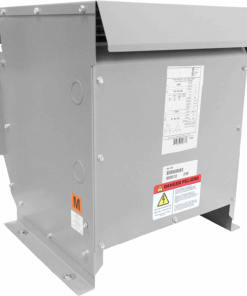
30KVA, 3P, 480V, 240V, Energy Efficient Transformer
30 KVA, 3-Phase, 480 Delta Primary Volts – 240 Delta Secondary Volts with 120 Volt Lighting Tap, NEMA 1, Energy Efficient, Energy Star labeled Transformer, Ventilated, 150 Degree C, Aluminum Windings, 60 Hz operation, Frame Size: FR912B. For Outdoors use Weather Shield WS58. DOE 2016 Efficient.
***Reverse Feed Capable***
|
|
- Category: Power Distribution Transformers Dry Type Transformers Dry Type – 30 KVA
- Products related to V48M22T3016 30KVA, 3P, 480V, 240V, Energy Efficient Transformer or visit the Eaton site.
- For help with 30KVA, 3P, 480V, 240V, Energy Efficient Transformer from Eaton
- Click “Add to Cart” to buy Eaton V48M22T3016 30KVA, 3P, 480V, 240V, Energy Efficient Transformer.
- Also known as 786680175657, transformer; dry; dry transformer; dry type, CUTV48M22T3016, Eaton, V48M22T3016, Dry Type – 30 KVA, Dry Type Transformers, Transformers, Power Distribution, Cutler-Hammer, Westinghouse

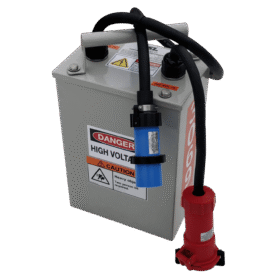
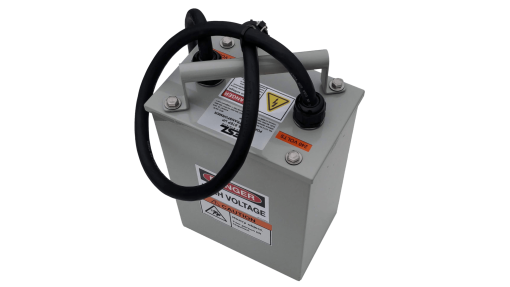
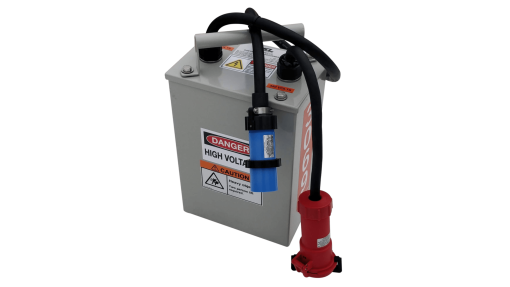
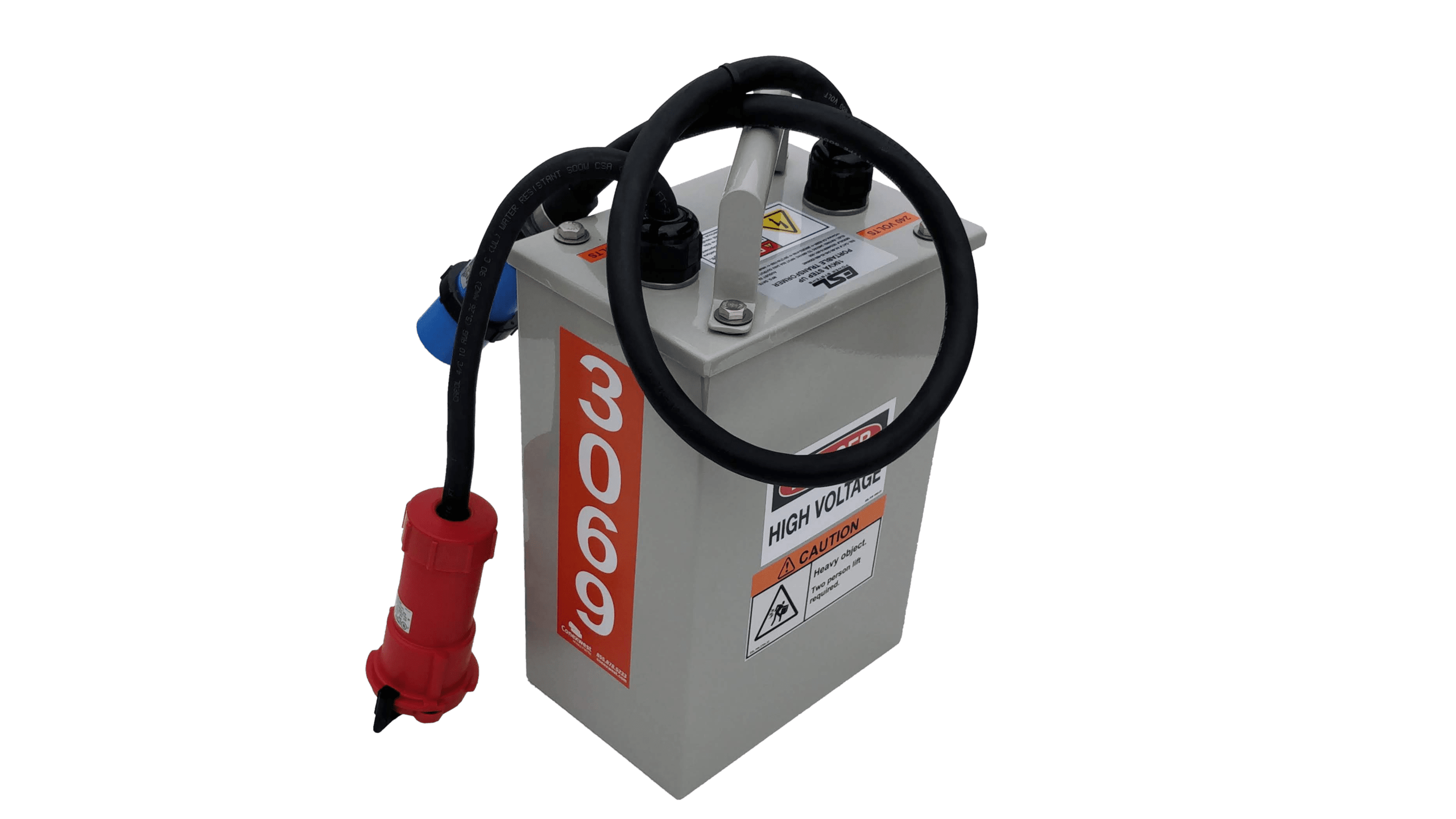
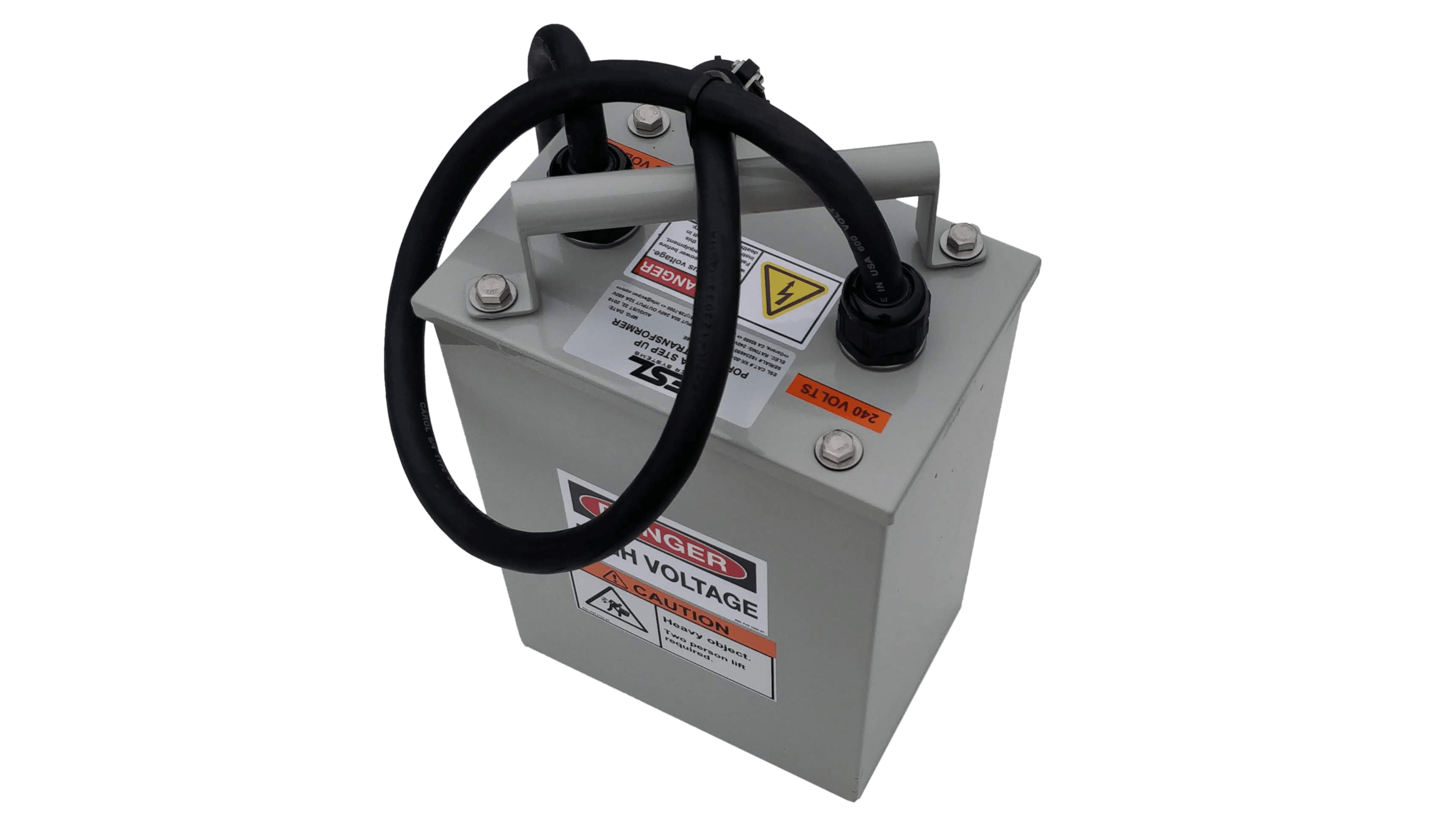
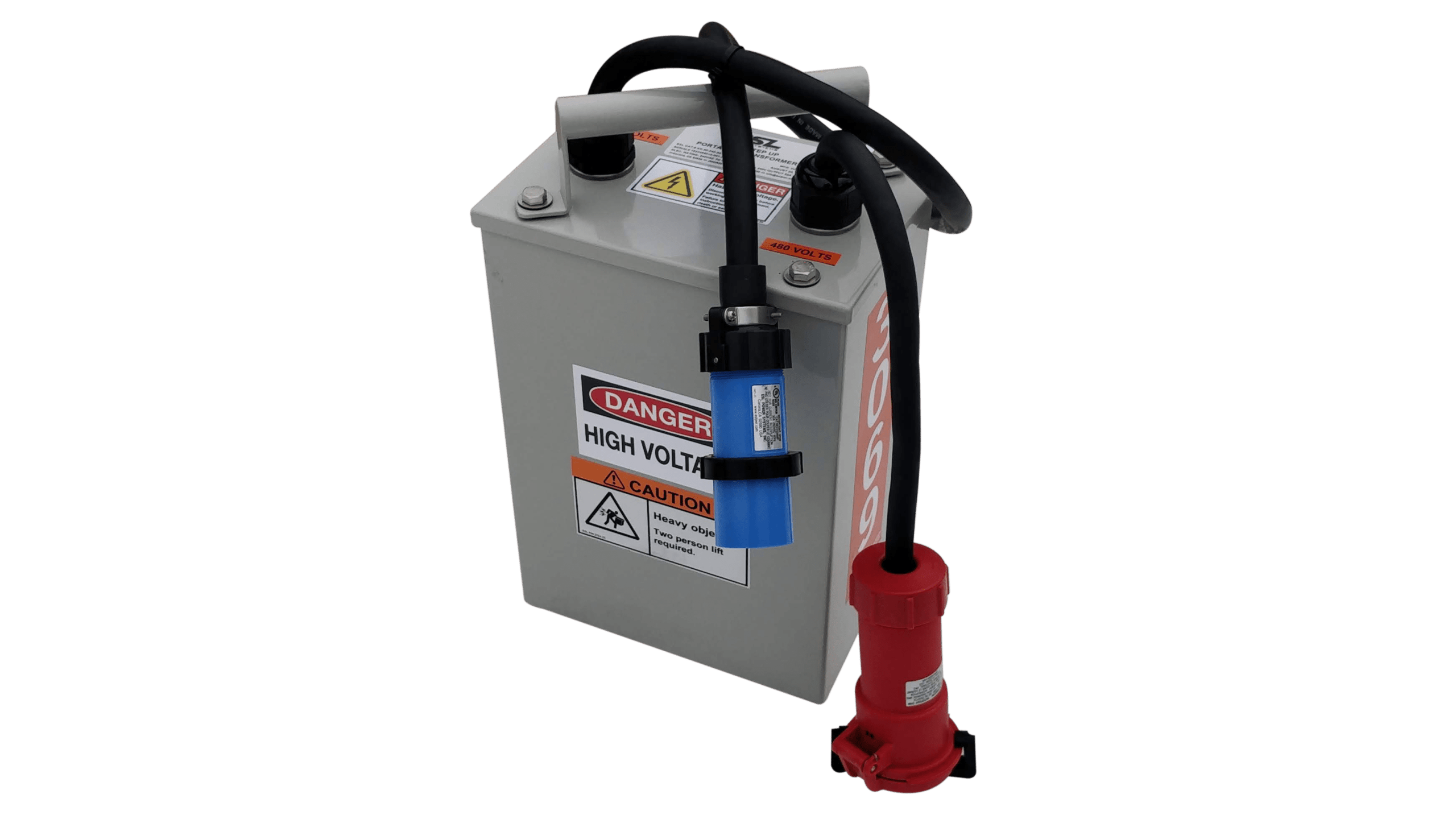
Each modular transformer includes an 8/4 SO cable with black 60˚ C (140˚ F) rated rubber insulation. The dual-voltage transformer is mounted to a plate/bracket, with an optional circuit breaker and high-voltage receptacle attached. The standard receptacle conforms to the CEE-17 design.
TRANSFORMER;220/440V
Voltage Transformer 220v / 440v
From our 40,000 square foot facility, we are able to process orders in almost any volume, all with consistently on-time delivery. For more information about our custom 3-Phase Auto Transformers or to request a quote, contact us today.
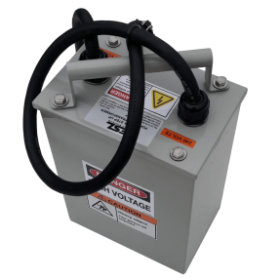
Other receptacles may be furnished by special order.
Weight: 63.5 kg (140 lb) Field-Installed kit (with CB2) P/N 76-00670-00 Field-Installed kit (without CB2) P/N 76-00670-02

About 220v to 440v step-up transformer
Types of 220V to 440V Step Up Transformer
- Single-phase TransformersTransformers that operate on a single-phase power system include the 220v to 440v step up transformer for residential and small business usage. They are generally small, simple, and inexpensive. These transformers raise voltage for low-power applications such as household appliances, low-power equipment, and small tools. In areas with small electrical loads, single-phase transformers are perfect due to their easy installation and portability.
- Three-phase TransformersStronger electrical systems necessitate the usage of three-phase transformers. Compared to single-phase transformers, these transformers can manage bigger electrical loads and offer a more stable and dependable power supply. Heavy-duty equipment at manufacturing sites, large HVAC systems, and commercial facilities employ a three-phase transformer. Although larger and more complicated than single-phase transformers, three-phase transformers deliver increased performance and efficiency over extended periods.
- Auto-transformersUnlike regular transformers, autotransformers employ a single winding with a variable tapping point to convert voltage. Lowering or increasing voltage is easy and effective with an autotransformer. They are lighter and cheaper than standard transformers, but because of their design, they are less structurally sound. In temporary or small-scale applications where space and cost are top priorities, such as laboratory equipment or portable power tools, auto transformers 220v to 440v are appropriate.

- Isolation TransformersThese transformers keep the secondary and primary windings electrically isolated from one another. Isolation transformers protect against electric shock, improve power supply consistency, and reduce noise by alleviating electrical interference. These transformers often use medical facilities, data centers, and sensitive electronics manufacturing. Voltage changes may also be performed using isolation transformers, increasing versatility.
- Variable Ratio TransformersThese transformers allow for adjustable output voltage by changing the turns ratio. They are ideal for applications needing flexible voltage output, such as research laboratories and specialized industrial processes. Variable ratio transformers enable fine-tuning voltage levels for exact applications, improving the system’s adaptability and performance. This adaptability makes them necessary for processes with tight voltage tolerance needs.
Commercial Use of 220V to 440V Step Up Transformer

- Industrial MachineryHigh-voltage requirements are supported at industrial sites by 220V to 440V transformers. They power essential production tools, engines, welders, and large-scale equipment. Operating at increased efficiency levels, these machines are effective at managing bigger workloads. Therefore, production processes improve while lowering the chance of equipment malfunction caused by insufficient voltage. In industrial settings, running high-voltage equipment protected by these transformers improves productivity and effectiveness.
- Commercial HVAC SystemsLarge commercial heating, ventilation, and air conditioning (HVAC) systems are also powered by these transformers. Large buildings, including offices, hotels, and warehouses, often have complicated HVAC systems that require more than 220 volts to run. The transformers raise the voltage to power compressor motors, fans, and other system components. This guarantees that the HVAC system runs reliably and effectively, keeping a suitable indoor temperature. These transformers enhance energy efficiency and system lifespan in complex, high-demand environments.
- Elevators and LiftsIn commercial settings, including hotels, office buildings, and factories, elevators and lifts frequently receive power from these transformers. The motors that move elevator and lift systems often require 440 volts to perform effectively. The transformers ensure that these systems receive the proper voltage, improving their performance and safety. Providing dependable elevator operation improves customer satisfaction in commercial settings and boosts workflow in industrial settings.
- Accounting SystemsLarge-scale electrical loads, such as accounting systems for printing, scanning, and copying, frequently need high voltage in commercial settings. The transformers allow these systems to run smoothly and efficiently by offering the needed voltage. For office management, billing processes, and communication networks, dependable operation is essential. Companies that use many electronic devices and require powerful office equipment to guarantee production rely heavily on these transformers.
- Construction SitesThe transformers are very helpful for temporary power solutions on construction sites. Construction sites frequently require the usage of tools and equipment that operate on higher voltages, including big power saws, drills, and concrete mixers. The project’s standard utility voltage is raised by the transformers, enabling contractors to power their equipment effectively. The construction process is quicker, safer, and more effective on commercial building sites with easy access to high-voltage equipment.

Product Specifications & Features of 220V to 440V Step Up Transformer
Technical Specifications
- Input VoltageThe transformer’s primary coil, which steps up the voltage, will operate with an input voltage of 220 volts. Common electrical systems in residential and light industrial settings frequently use this voltage. The additional coil’s output voltage will be set to 440 volts by a strong step-up transformer, enabling use in high-voltage applications.
- Output VoltageThe additional coil’s output voltage will be set to 440 volts by a strong step-up transformer, enabling use in high-voltage applications. This voltage level is appropriate for operating various industrial tools, engines, and large machinery. Systems where efficient electrical functioning is required are designed around this voltage.
- Power Rating (kVA)A transformer’s kVA (kilovolt-amps) rating indicates the maximum load it can handle. Higher kVA ratings provide support for bigger loads. Selecting a transformer with a sufficient kVA rating for the application is crucial to avoid overloading it, which may cause voltage fluctuations or, worse yet, equipment failure. It works effectively even under high stress with a properly rated transformer.
- Frequency (Hz)The frequency of the input voltage, typically 50 or 60 Hz, is an essential transformer design condition. This is the common frequency for electrical systems all over the world. Equipment functioning on specific frequency requirements may not work correctly if the transformer does not match the input frequency. The stability and performance of electrical devices depend on adhering to the correct frequency.
- PhasesSingle-phase and three-phase transformers vary in phase types. Small-scale and portable devices mostly use single-phase transformers, while large industrial machines utilize three-phase transformers for an even and more powerful electricity flow. The appropriate type is decided by the electrical system of the application.
How to Install
- Mounting the TransformerChoosing the appropriate mounting location is crucial to guarantee that the transformer receives a stable voltage source and is protected from elements and physical damage. To increase ventilation and avoid overheating, the transformer should be fixed on a stable platform or frame at eye level or above the ground. Because many transformers vibrate during operation, secure mounting will reduce excessive movement that may damage the device or its surroundings.
- Electrical ConnectionsConnecting the transformer’s primary and secondary terminals is necessary to connect the transformer to power and the load. The primary side connects to the 220-volt supply, while the secondary side connects to the 440-volt output. According to the instructions, securely connect the wires to the proper terminals to avoid short circuits or equipment failure. Using insulated wires to connect electrical connections also aids in lowering shock risks and ensuring safe operations.
- GroundingFor both safety and performance, grounding the transformer is essential. A dedicated grounding connection is linked to the transformer’s frame or housing and then to the earth. This helps prevent power surges from harming the transformer or connected devices while also lowering the risk of electrical shock.
- Load ConnectionFollowing primary and secondary connections, the load must be connected to the transformer’s output. The output terminals on the transformer’s secondary side receive the load connection. For fluctuations and overloads that could damage the system, ensure the load is appropriate for the transformer’s kVA rating. To control electrical flow and protect against overloads, installing circuit breakers or fuses between the transformer and the load is advised.
- TestingOnce the connections have been made, performing several tests before starting is crucial. Use a multimeter to check the voltage on the primary and secondary sides to identify any potential voltage problems. Before linking the load, turn the transformer on and watch for any unusual sounds or vibrations. Observing voltage levels while ensuring they correspond to the appropriate ranges for correct functioning is necessary.
Maintaining & Repairing
- Regular InspectionMaintenance starts with regular inspections. Inspect the transformer’s surroundings for any possible obstacles, fluids, or debris that could impair performance. Look out for signs of rust, fractures, and damage to the transformer’s casing or structure. Watch out for any unusual sounds or vibrations as the transformed operates. Early detection of issues enables proactive response and decreases the likelihood of failure and upkeep.
- Heat MonitoringTransferring excessive heat can cause inefficient performance, equipment failure, and safety concerns. Therefore, the operating temperature has to be checked consistently. No more than the standard operating range for the transformer should be its temperature. To avoid overheating, keep the transformer’s ventilation space open and clear. The transformer may need maintenance or replacement if it runs too hot.
- Cooling System MaintenanceThe cooling system of some transformers, including oil-cooled versions, must be monitored consistently. Oil levels must be checked frequently, and replenishment as needed must take place. Inspecting the coolant for impurities before replacing it is vital for optimal functioning. Devices running in hot or dusty environments need more frequent oil change and coolant checks. Contaminants and debris accumulation can cause severe damage, so proactive cleaning is critical.
- Electrical Connection MonitoringTransformers’ electrical connections can become loose or corroded over time, causing voltage fluctuations and affecting system performance. Regularly check all connections to ensure they are tight and free of rust. Use a wire brush or anti-corrosion solution to clean corroded terminals. Ensure that wires are correctly linked to avoid electrical arcing, which can cause serious fire threats and damage the equipment.
- Routine TestingFor dependable functioning, frequent testing is essential. A multimeter can be used to check voltage on both primary and secondary sides. Irregularities in output voltage may signal malfunction. Also, keep an eye on the transformer’s insulation. For electric failures and overheating, insulation breakdown may result. Insulation resistance testing helps identify insulation degeneration early so that replacement can take place before failure.
Quality & Durability of 220V to 440V Step Up Transformer
Quality
- Exceptional MaterialsIron cores and copper windings are used to manufacture high-quality transformers. Copper has exceptional conductivity, which helps to reduce energy loss as heat throughout the transformation process. Grain-oriented electrical steel is used to produce transformer cores to enhance magnetic flux and energy transfer capability insulative properties. The long-life and improved functioning of the transformer are ensured by these premium core materials.
- Precise EngineeringFor a transformer to operate effectively and securely, exact engineering and design are necessary. Proper calculations for turns ratio, core size, and winding pattern determine a transformer’s voltage-changing capacity and efficiency. Engineers with experience develop transformers with superior-quality components and design standards for optimal performance. Reduced overheating, increased energy efficiency, and more accurate voltage change are effects of precise engineering.
- Robust ConstructionTo assemble transformers, skilled hands take time and care to ensure strong constructions. The housing protects internal components from external variables such as dust, moisture, and mechanical damage. Strong materials are used to create housing, such as steel or aluminum, to resist environmental conditions and give physical defense. The stability and reliability of the transformer’s performance under diverse operating conditions are ensured by robust construction.
- Strict TestingTransformers undergo rigorous testing to verify performance and safety before release. Efficiency, temperature rise, load capability, and insulation strength are all tested. Standards for premium quality control include leak detection and over-voltage and under-voltage situations. Early detection of potential problems prevents future failures, ensuring that only devices that satisfy stringent quality standards reach the market.
Durability
- Thermal ResistanceTransformers are built to be thermally durable. In the energy conversion process, many elements create heat; thus, resistance to overheating is crucial. Durable insulating materials safeguard components from thermal degeneration caused by long-term or heavy usage. Systems functioning under substantial loads or in severe environments frequently profit from thermal resistance, which guarantees reliable functioning even in varying conditions.
- Mechanical StrengthTransformers commonly vibrate during functioning. Internal components can become loose or damaged due to this vibration, hence impacting performance. Strong transformers are built with low-moving parts and stronger materials to resist vibration during functioning, protecting the internal setup from major damage. Their mechanical strength makes them appropriate for industrial applications where equipment is frequently put under stress.
- Corrosion ResistanceIf exposed to humidity, salt, or chemicals, many materials inside the 220V to 440V Step Up Transformer may corrode. Great transformers feature corrosion-resistant materials, including galvanized steel or special coated windings. This resistance protects the transformer from environmental impacts that may lessen its life span. Transformers fitted in outdoor surroundings, coastal regions, or spaces with chemical exposure frequently require corrosion protection.
- Overload ProtectionThese transformers have built-in protection systems that protect them from overloads that may damage them. Automatic shut-offs and circuit breakers stop excessive current flows, minimizing damage to the equipment. Systems without overloads are frequently running under great demand or peak capacity. The transformer’s inherent safety mechanisms lower the risk of failure, hence extending equipment life and uninterrupted operations.
- Long-term ReliabilityThe 220V to 440V Step Up Transformer is built to perform continuously and dependably for several years. Components of superior quality and sturdy design offer outstanding resistance to wear, strain, and environmental variables. Maintenance and repair requirements are lowered by long-term reliability, making operating expenses cheaper. Transformers made for long-term dependability are crucial for enterprises needing constant power supply in high-demand situations.
Buy 30 kVA Three Phase Transformer – Reliable Industrial Power Distribution Solution
If you are ready to Buy 30 kVA Three Phase Transformer, you are choosing a dependable and efficient power solution designed for stable voltage distribution across industrial and commercial systems. The decision to Buy 30 kVA Three Phase Transformer ensures that your equipment operates safely, efficiently, and without interruptions caused by unstable power supply.
Industries such as manufacturing, construction, energy, and processing plants consistently Buy 30 kVA Three Phase Transformer because it delivers balanced power, improved efficiency, and long-term durability. When you Buy 30 kVA Three Phase Transformer, you invest in a unit engineered for reliability, safety, and performance.
Now is the perfect time to Buy 30 kVA Three Phase Transformer and enhance your electrical infrastructure.
30 kVA Three Phase Transformer for Sale – Features and Benefits
When evaluating a 30 kVA three phase transformer for sale, it is important to understand the features that make it essential for power distribution.
A high-quality 30 kVA three phase transformer for sale ensures stable voltage output and efficient energy transfer.
Key Features
- 30 kVA power capacity
- Three-phase power distribution
- High-efficiency copper or aluminum windings
- Durable insulation system
- Robust industrial design
Choosing a 30 kVA three phase transformer for sale ensures consistent performance and long service life.
Secure your 30 kVA three phase transformer for sale today and improve operational efficiency.
Buy 30 kVA Three Phase Transformer – Performance and Reliability
When you Buy 30 kVA three phase transformer, you gain access to a unit designed for consistent and reliable power output.
The decision to Buy 30 kVA three phase transformer ensures balanced load distribution across three phases.
Performance Benefits
- Stable voltage output
- Efficient power distribution
- Reliable performance under load
- Reduced energy loss
Businesses that Buy 30 kVA three phase transformer benefit from improved productivity and system stability.
Order now and Buy 30 kVA three phase transformer for dependable power solutions.
30 kVA Three Phase Transformer for Sale Online – Easy Procurement
Searching for a 30 kVA three phase transformer for sale online allows you to compare models and specifications quickly.
A 30 kVA three phase transformer for sale online provides access to competitive pricing and detailed product information.
Benefits of Buying Online
- Wide range of transformer options
- Competitive pricing
- Fast ordering process
- Transparent specifications
When you choose a 30 kVA three phase transformer for sale online, you simplify procurement.
Secure your 30 kVA three phase transformer for sale online before stock runs out.Buy 30 kVA Three Phase Transformer Online – Specifications and Design
When you Buy 30 kVA three phase transformer online, you receive a unit engineered for durability and efficiency.
Typical Specifications
- Power Rating: 30 kVA
- Three-phase configuration
- Frequency: 50/60 Hz
- Industrial-grade windings
- Heavy-duty insulation
The Buy 30 kVA three phase transformer online option ensures reliable and safe operation.
Industrial 30 kVA Three Phase Transformer for Sale – Built for Heavy-Duty Use
An industrial 30 kVA three phase transformer for sale is designed to meet demanding operational requirements.
Choosing an industrial 30 kVA three phase transformer for sale ensures durability and long-term performance.
Industrial Advantages
- Heavy-duty construction
- High load capacity
- Enhanced cooling systems
- Long service life
Selecting an industrial 30 kVA three phase transformer for sale guarantees dependable performance.
Buy Industrial 30 kVA Three Phase Transformer – Applications
When you Buy industrial 30 kVA three phase transformer, you gain a versatile solution suitable for multiple industries.
Common Applications
- Manufacturing plants
- Construction sites
- Power distribution systems
- Commercial facilities
Businesses that Buy industrial 30 kVA three phase transformer benefit from stable and efficient power supply.
30 kVA 3 Phase Transformer for Sale – Durability and Build Quality
A 30 kVA 3 phase transformer for sale is built to withstand demanding environments.
Build Features
- Robust metal enclosure
- Heat-resistant insulation
- Durable internal components
- Long operational lifespan
The 30 kVA 3 phase transformer for sale option ensures long-term reliability.
Buy 30 kVA 3 Phase Transformer Online – Cost Efficiency and ROI
When you Buy 30 kVA 3 phase transformer online, you benefit from long-term cost savings and efficiency.
Cost Benefits
- Reduced energy loss
- Long service life
- Low maintenance requirements
- Improved system efficiency
Companies that Buy 30 kVA 3 phase transformer online achieve strong return on investment.
30 kVA Three Phase Transformer for Sale Online – Maintenance and Support
Choosing a 30 kVA three phase transformer for sale online ensures easy maintenance and reliable operation.
Maintenance Features
- Minimal maintenance required
- Durable materials
- Easy inspection and servicing
A 30 kVA three phase transformer for sale online helps reduce downtime and improve efficiency.
Why Choose Buy 30 kVA Three Phase Transformer
There are many reasons to Buy 30 kVA Three Phase Transformer, including:
- Reliable power distribution
- Efficient energy transfer
- Strong and durable construction
- Wide industrial applications
When you Buy 30 kVA Three Phase Transformer, you are investing in performance and reliability.
Frequently Asked Questions
What is a three phase transformer?
It is a transformer that distributes power across three phases for efficient energy transfer.
What is the capacity of this transformer?
It has a capacity of 30 kVA.
Is it suitable for industrial use?
Yes, it is designed for industrial and commercial applications.
Does it require maintenance?
Minimal maintenance is required.
Is it energy efficient?
Yes, it is designed to reduce energy loss.
Is it durable?
Yes, it is built with high-quality materials for long-term use.


Reviews
There are no reviews yet.